
Ski and snowboard instructors in New Zealand
Book an instructor across 21 New Zealand ski areas — Queenstown, Wanaka, the Canterbury club fields and Mt Ruapehu.
Find instructors in New ZealandSkiing in New Zealand
New Zealand skiing does not look like European skiing, and that catches people out. There are almost no trees — the ski areas sit above the bushline on tussock and rock, which means enormous open terrain, spectacular views over lakes and braided rivers, and absolutely nowhere to hide when the weather closes in. It also means that what a New Zealand instructor knows about reading the sky is as valuable as what they know about your edges.
The Southern Lakes region around Queenstown and Wanaka is the commercial heart: Coronet Peak, The Remarkables, Cardrona and Treble Cone, all within an hour of each other, all with proper lift infrastructure and a town at the bottom that never sleeps. Canterbury is the other world entirely — a scattering of club fields, small volunteer-run areas served by rope tows, where the terrain is steep, the lift is a nutcracker and the culture is unlike anything else in the sport.
On the North Island, Mt Ruapehu is an active volcano with two ski areas on its flanks, and it is the only place in the country where you can ski a live crater lake's mountain. There is no state licence to teach in New Zealand; NZSIA and SBINZ are the certifying bodies, and profiles show what each instructor holds.
Last reviewed 4 August 2026
The terrain
Treble Cone has the longest vertical in the South Island and the steep, sustained terrain to go with it. Cardrona is the freestyle and family centre, with the country's best parks and the gentlest learning slopes. Coronet Peak runs night skiing and is the closest to Queenstown; The Remarkables sits in a high basin with the best beginner terrain of the four. Mt Hutt, above Methven, is the highest and often the first to open. The Canterbury club fields — Craigieburn, Broken River, Temple Basin, Mt Olympus and the rest — are for confident skiers only, and are the most memorable days you can have here.
When to go
The New Zealand season runs from mid-June to early October, with the commercial Southern Lakes fields most reliable in July and August and Mt Hutt sometimes opening in late May. The July school holidays are the busiest fortnight. What matters more than the calendar here is the weather: New Zealand ski areas close for wind far more often than European ones, and access roads to the club fields need chains and nerve. Build flexibility into your plans and talk to your instructor about which mountain suits the forecast.
Instructors in New Zealand
No instructors have joined in New Zealand yet. We are adding them resort by resort — if you teach here, this is a good moment to be the first.
Ski resorts in New Zealand
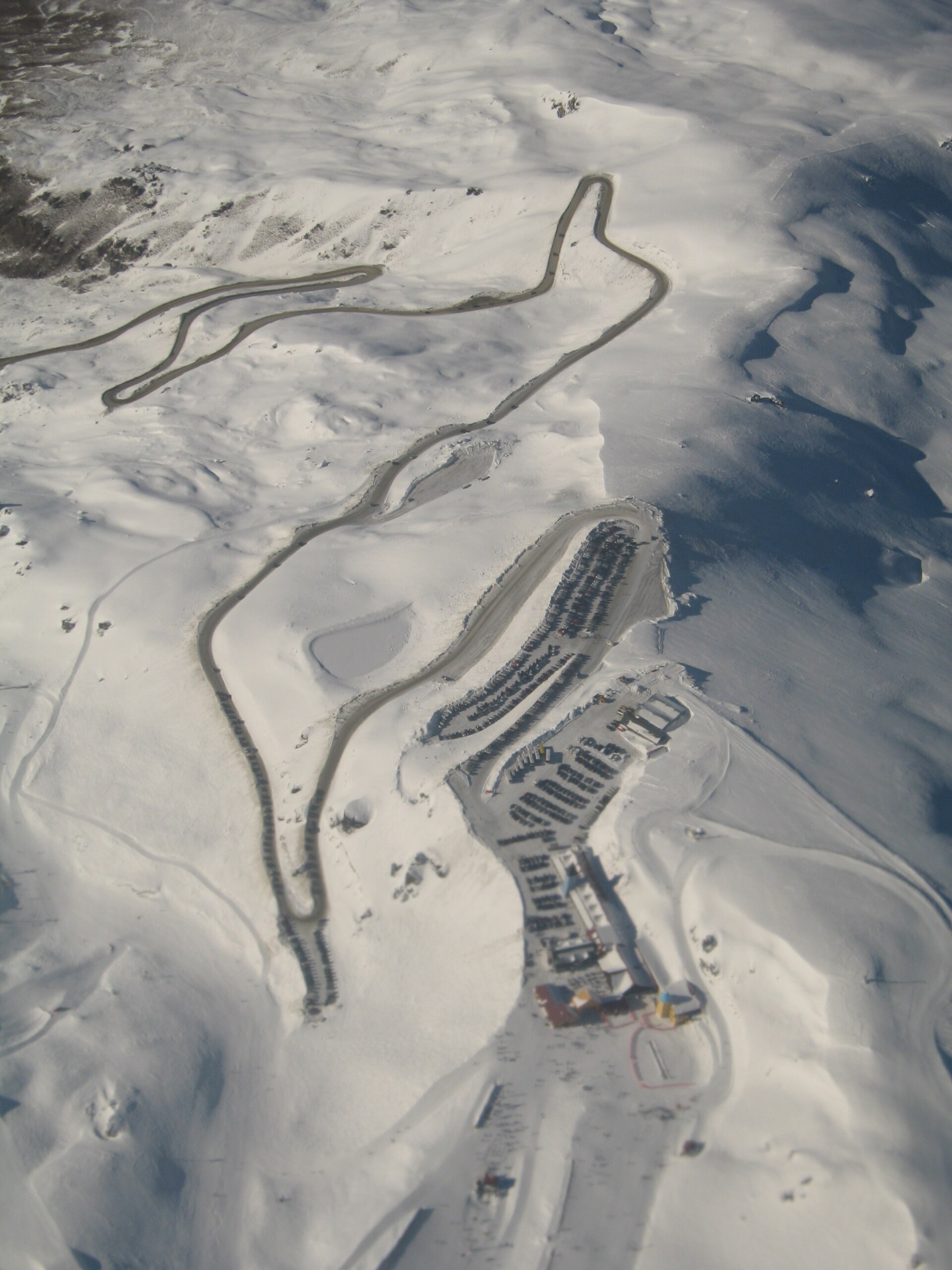
21 resorts Broken RiverCraigieburn, Canterbury
- Cardrona Alpine ResortWanaka, Otago
 Coronet PeakQueenstown, Otago
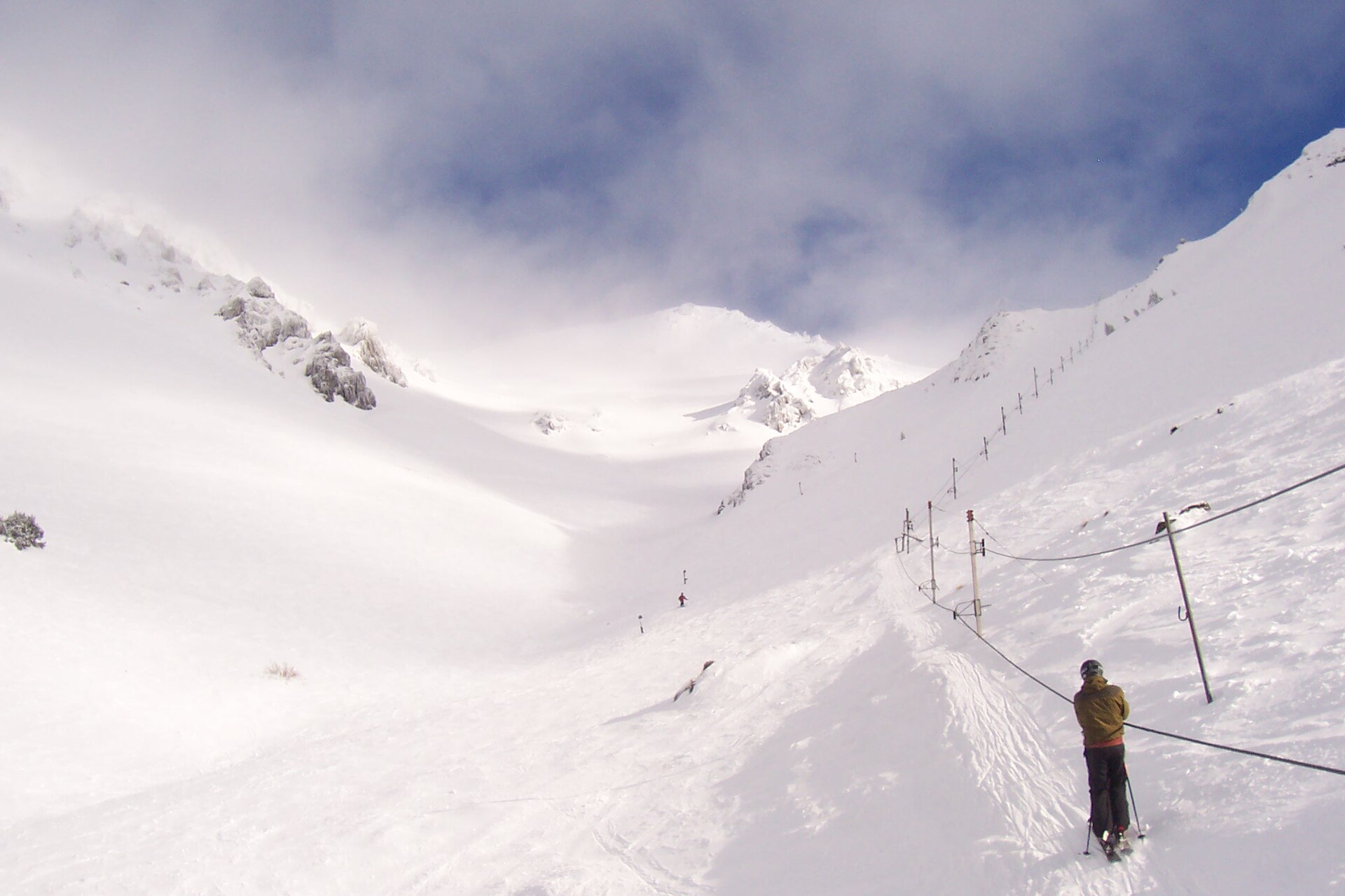 Craigieburn ValleyCraigieburn, Canterbury
 Hanmer Springs Ski AreaHanmer Springs, Canterbury
 ManganuiMt Taranaki, Taranaki
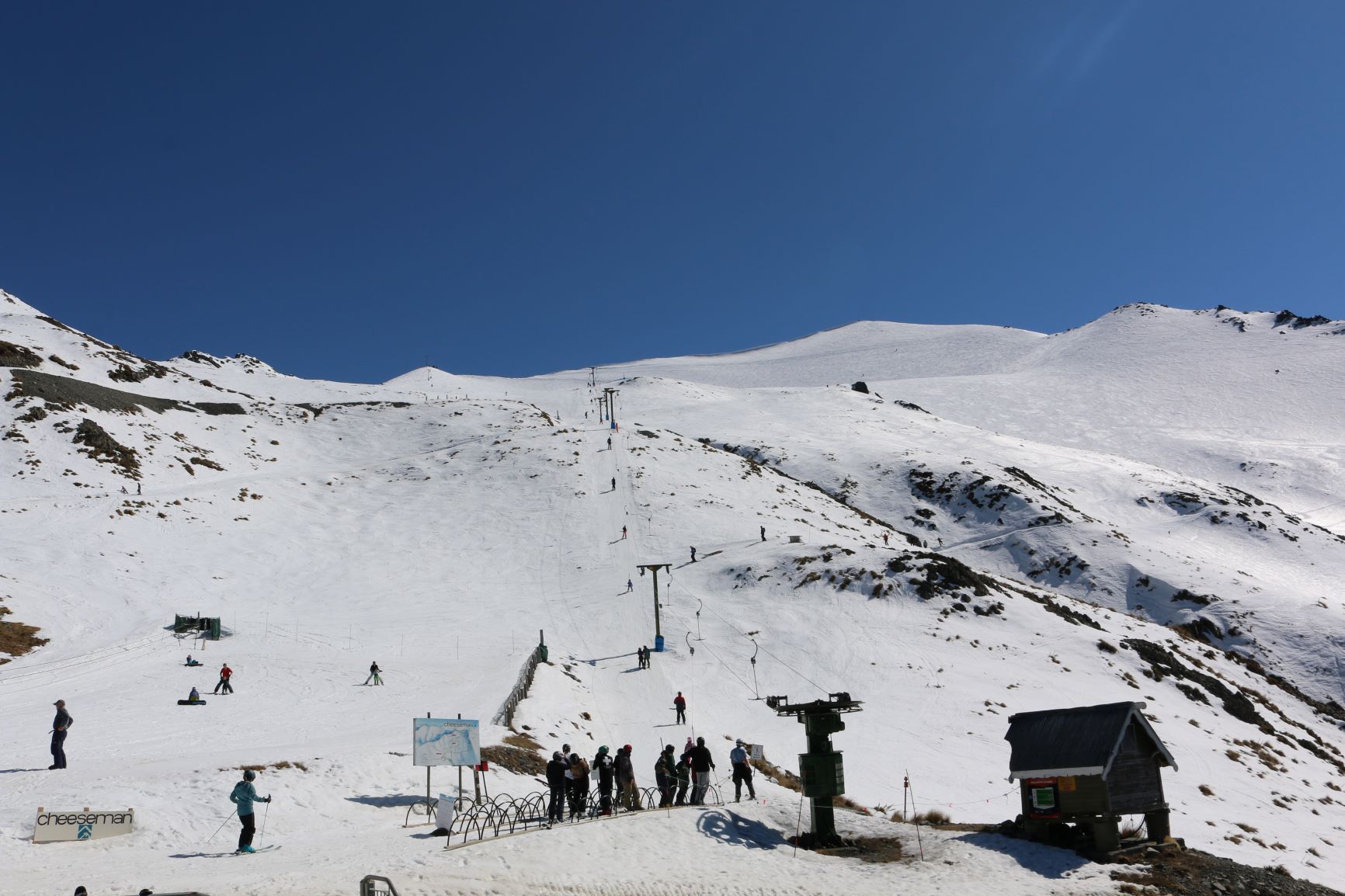 Mt CheesemanCraigieburn, Canterbury
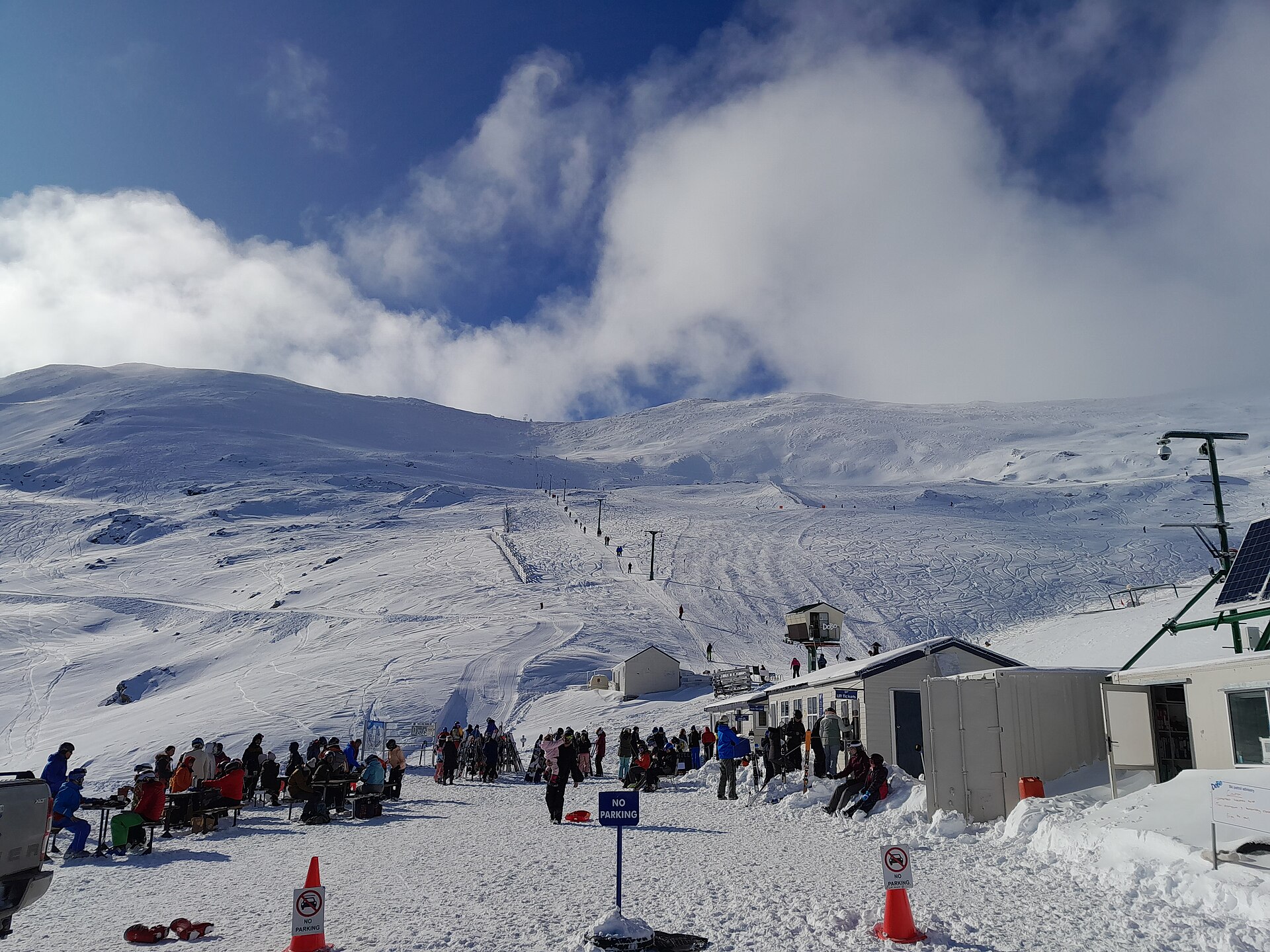 Mt DobsonFairlie, Canterbury
 Mt HuttMethven, Canterbury
 Mt LyfordKaikōura, Canterbury
 Mt OlympusLake Coleridge, Canterbury
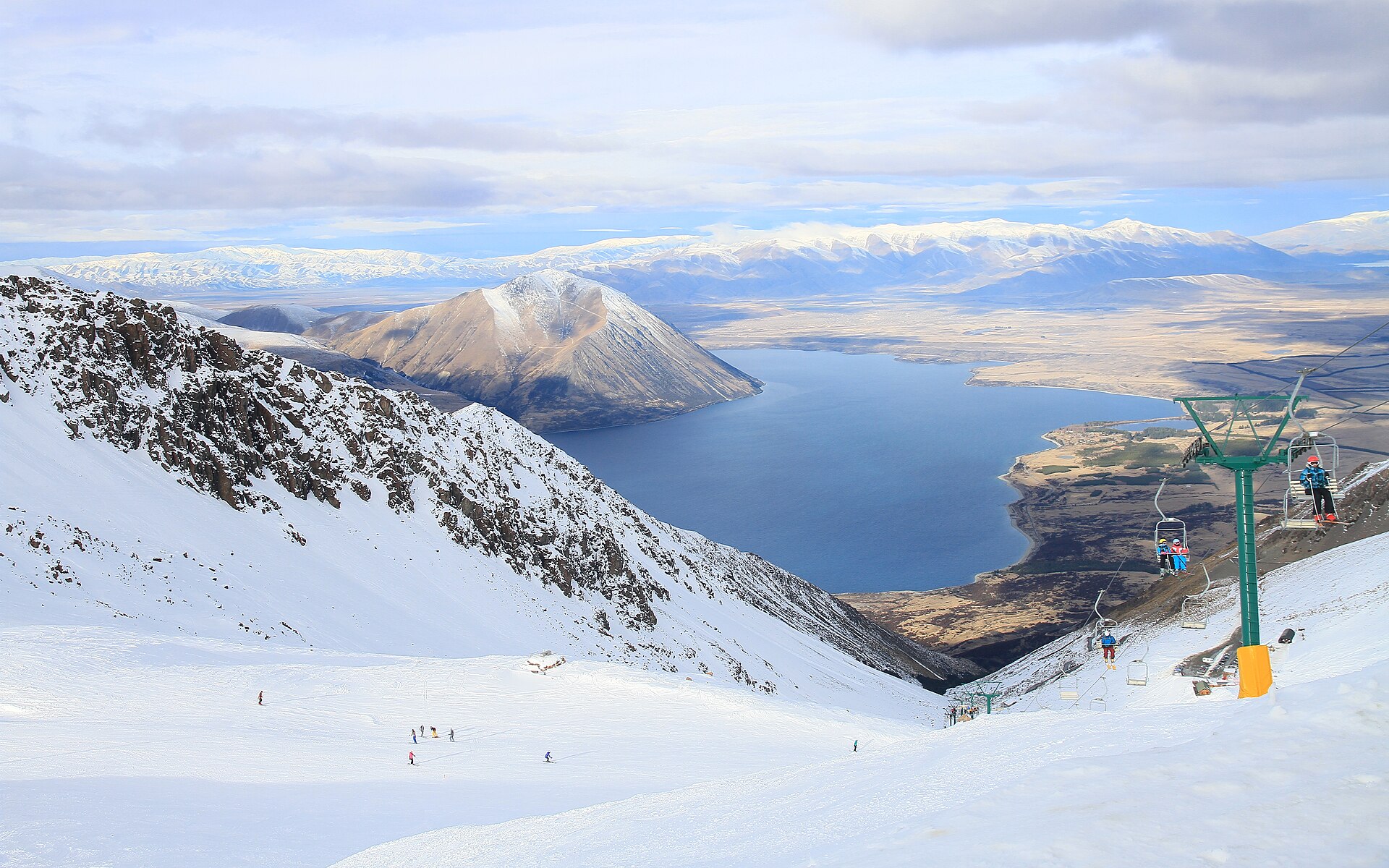 Ōhau Snow FieldsMackenzie, Canterbury
 Porters Alpine ResortCraigieburn, Canterbury
 Rainbow Ski AreaNelson Lakes, Tasman
 RoundhillTekapo, Canterbury
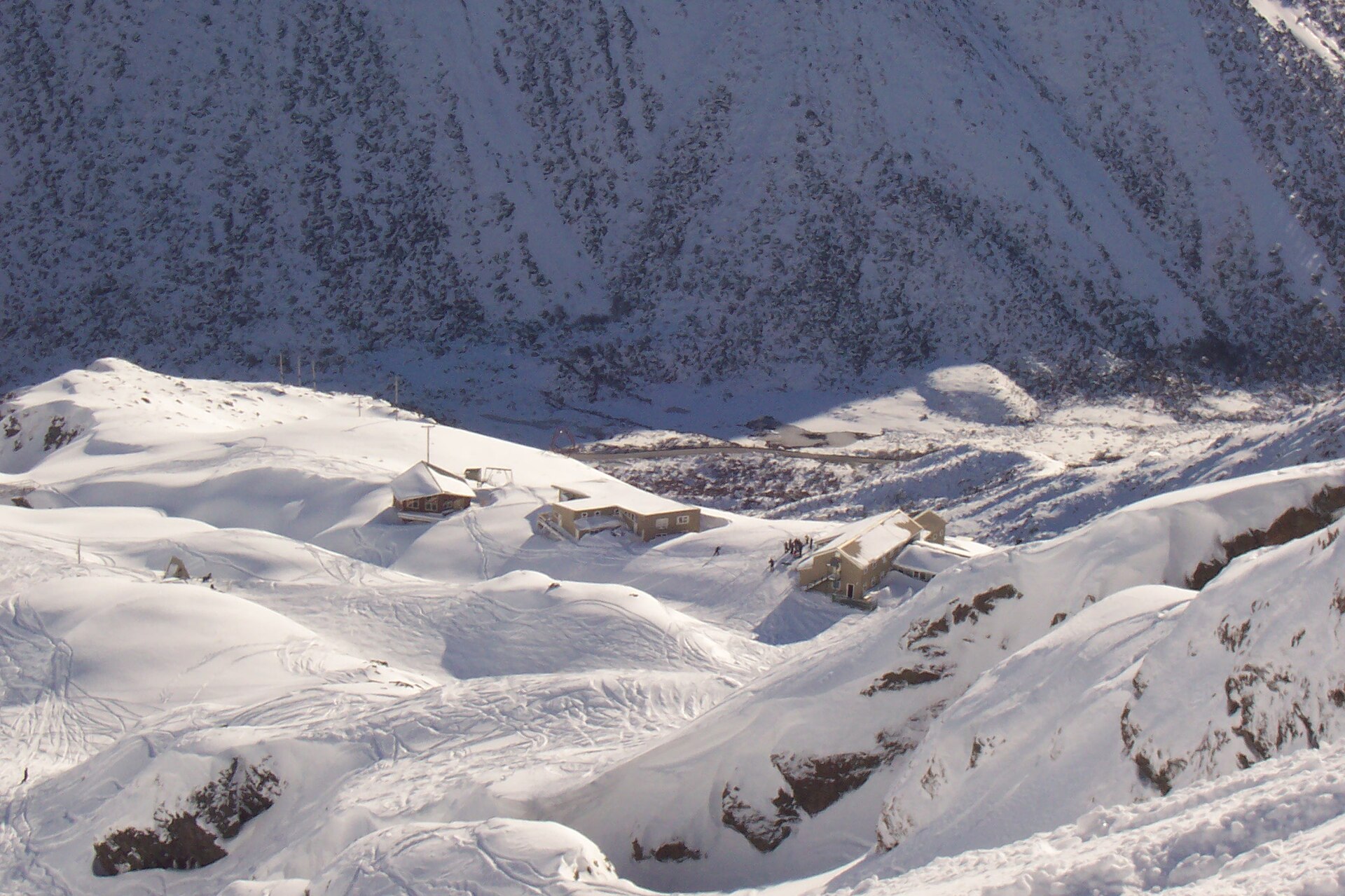 Temple BasinArthur's Pass, Canterbury
 The RemarkablesQueenstown, Otago
 Treble ConeWanaka, Otago
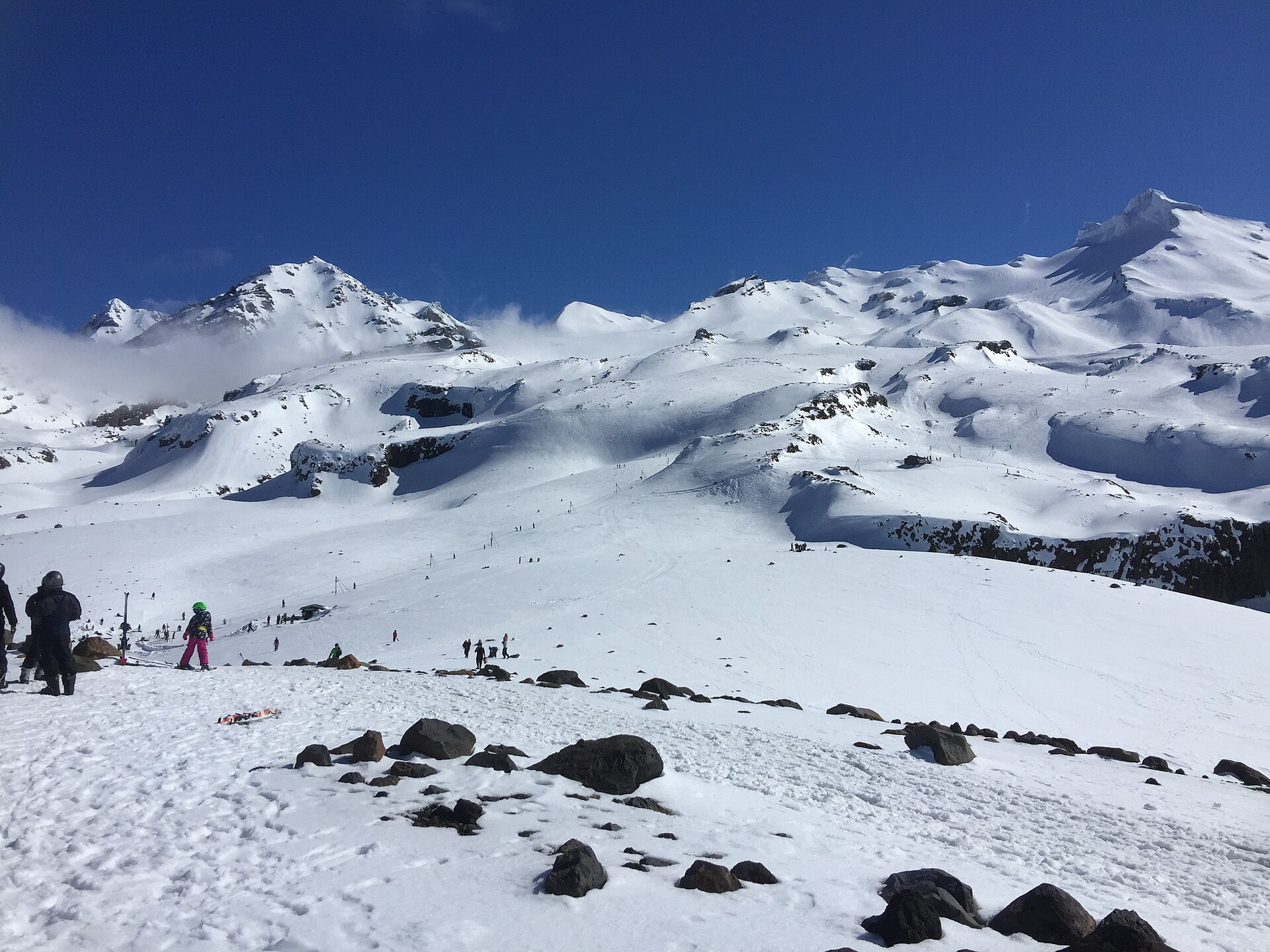 TukinoMt Ruapehu, Manawatū-Whanganui
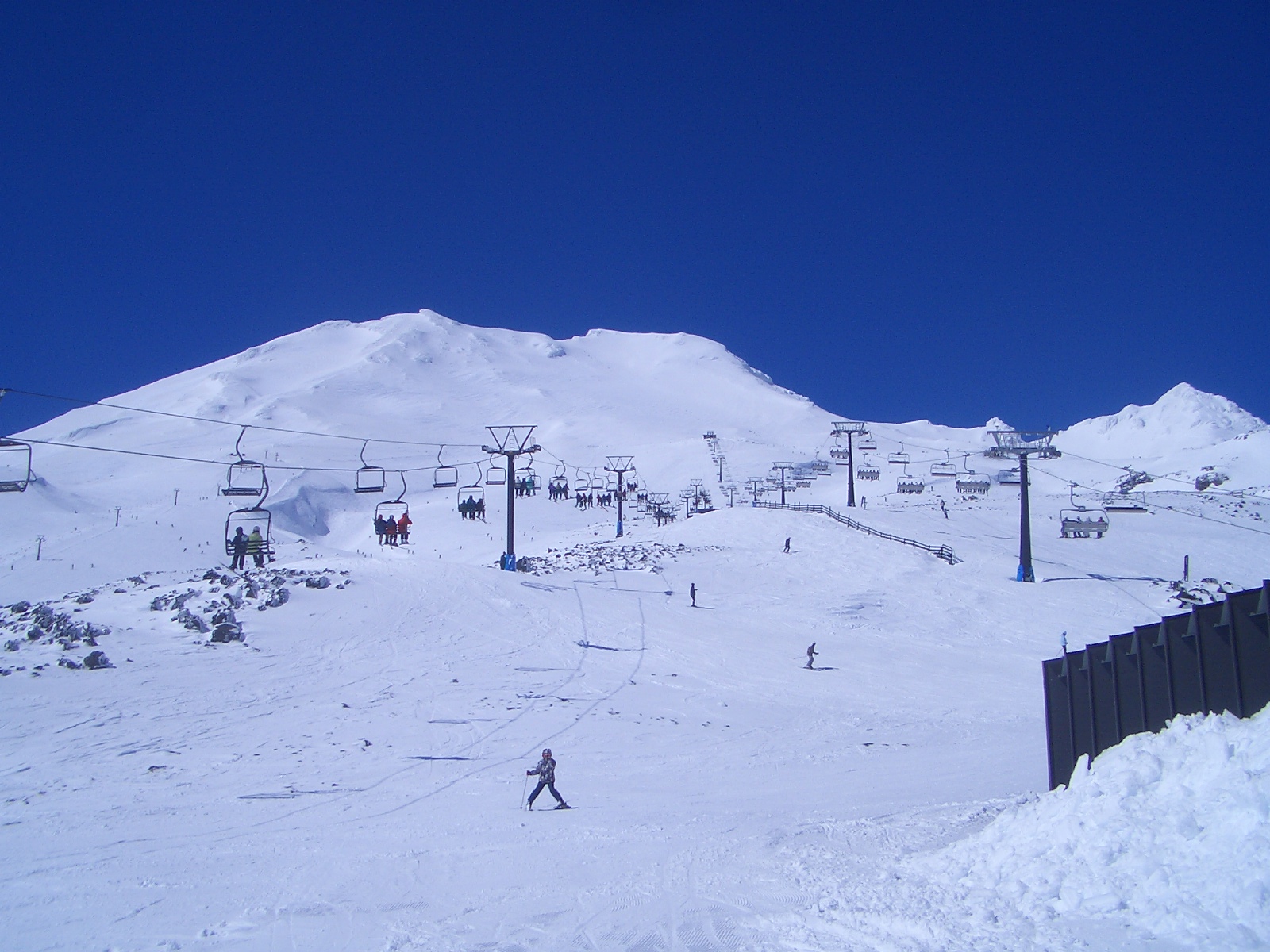 TūroaMt Ruapehu, Manawatū-Whanganui
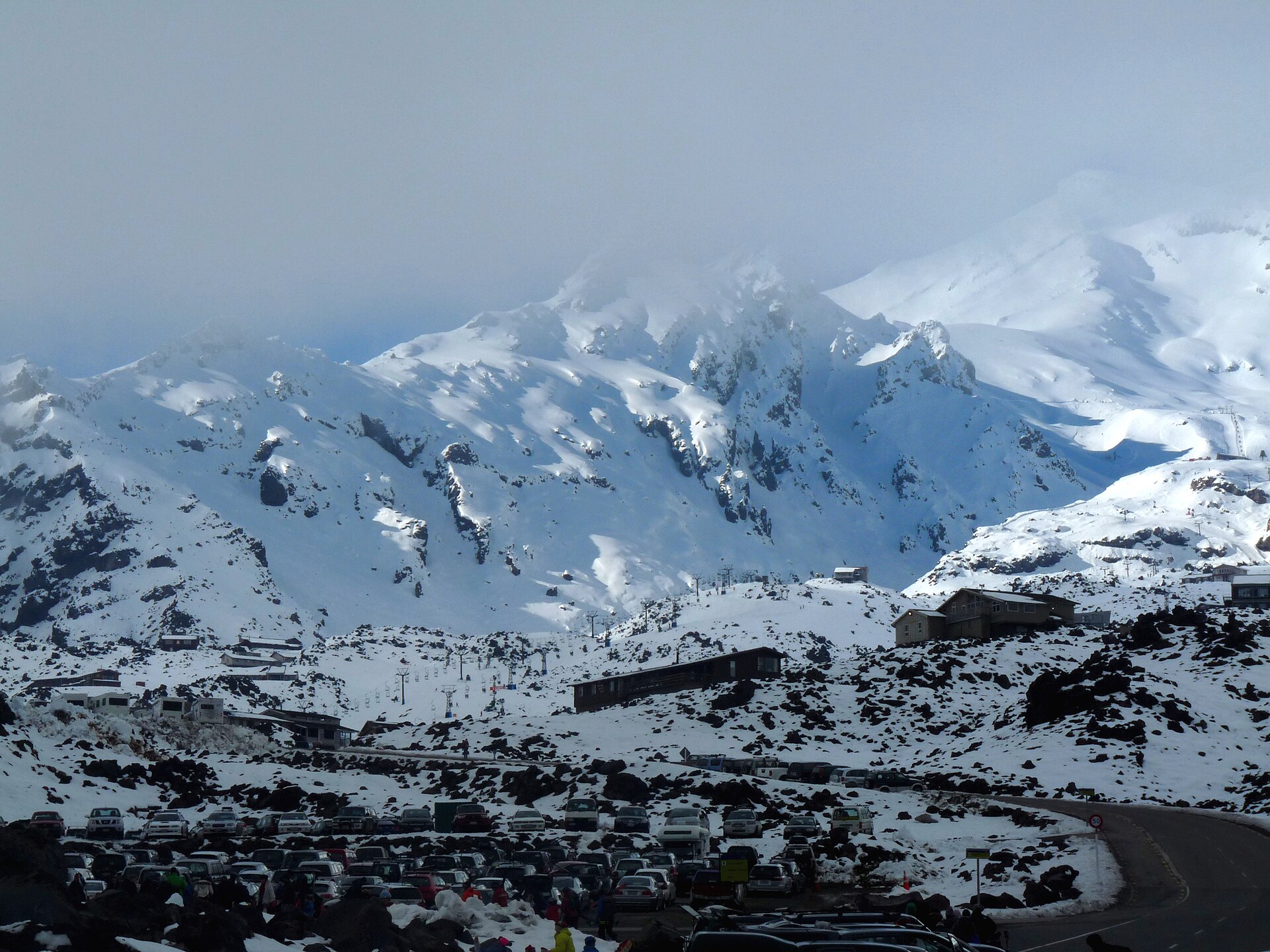 WhakapapaMt Ruapehu, Manawatū-Whanganui
Qualifications required in New Zealand
New Zealand has no state teaching licence. The professional standard is the Instructor certification, and Alpine Pal shows what each instructor actually holds so you can judge it for yourself.
- Qualification
- Instructor certification
- Issued by
- NZSIA / SBINZ
This is a summary for guidance, not legal advice. The instructor remains responsible for holding a valid qualification.
Skiing in New Zealand: common questions
When can you ski in New Zealand?
From mid-June to early October, with July and August the most reliable. New Zealand is in the Southern Hemisphere, so its winter is the Northern Hemisphere's summer. Mt Hutt in Canterbury is usually the first field to open and can run from late May in a good year.
What is a club field and should I ski one?
Club fields are small, volunteer-run ski areas, mostly in Canterbury, served by rope tows rather than chairlifts. You clip onto a moving rope with a metal 'nutcracker' on a harness, which is a skill in itself. The terrain is steep, the snow is often excellent and the atmosphere is extraordinary — but they are not beginner territory. Go with an instructor who knows the field, or do not go yet.
Where should a beginner learn to ski in New Zealand?
Cardrona and The Remarkables are the two standouts — both have wide, gentle, well-separated learning areas and modern lifts. Coronet Peak is convenient from Queenstown but steeper from the top. Whakapapa on Mt Ruapehu is the best option on the North Island. Avoid the club fields entirely until you can ski a blue comfortably.
Why do New Zealand ski areas close so often?
Wind, mostly. The ski areas are above the treeline on exposed terrain in a country sitting in the path of the Roaring Forties, and the lifts stop when it blows too hard. Rain at altitude and road access after a heavy snowfall also close fields. It is normal, locals plan around it, and it is a strong argument for booking more than one day.
Can I ski on a volcano in New Zealand?
Yes. Mt Ruapehu on the North Island is an active volcano with a crater lake, and both Whakapapa and Tūroa ski its flanks. It is monitored continuously and the ski areas operate under a volcanic alert system. Mt Taranaki, further west, also has a small ski area on a dormant cone.
Ready to book in New Zealand?
Compare instructors, message them before you commit, and pay securely through the platform.
Find an instructor