

Ski and snowboard instructors in Italy
Book a registered maestro di sci across 57 Italian resorts — the Dolomites, the Aosta Valley, Piedmont, Lombardy and the Apennines.
Find instructors in ItalySkiing in Italy
Italy is where skiing stops being purely a sport. The Dolomiti Superski pass alone links twelve valleys and more than 1,200 kilometres of pistes under the pale limestone towers of the Dolomites, a UNESCO World Heritage landscape that looks like nowhere else in the Alps. The skiing is genuinely excellent; the fact that lunch is also genuinely excellent is not a coincidence anyone here apologises for.
What makes Italy unusual for a learner is the grooming culture. Italian resorts prepare their pistes obsessively, and wide, immaculate, gentle blues are the norm rather than the exception — Alta Badia, Val Gardena and the Val di Fiemme are close to ideal terrain for building confidence. Meanwhile Cervinia, Courmayeur and Livigno offer high-altitude snow reliability, and the Apennine resorts south of Bologna put lift-served skiing within reach of Rome and Florence.
Italy regulates instructors through regional colleges: a maestro di sci must be registered in the albo of the region where they teach, and teaching for payment without it is unlawful. Certified instructors on Alpine Pal have had that registration reviewed before their profile went live.
Last reviewed 4 August 2026
The terrain
Three regions carry most of the skiing. The Dolomites, split between South Tyrol, Trentino and Veneto, are the headline: Val Gardena, Alta Badia, Cortina d'Ampezzo and the Sellaronda circuit around the Sella massif. The Aosta Valley to the west is higher and more serious — Cervinia linked over the ridge to Zermatt, Courmayeur under Mont Blanc, La Thuile across to France. Lombardy and Piedmont fill in Livigno, Bormio, Sestriere and the Monterosa Ski area. Further south, the Apennine resorts of Abruzzo, Emilia and Tuscany are small, cheap and much better than outsiders expect.
When to go
Most Italian resorts open in early December and close in mid-April, with the high Aosta Valley areas running longer at both ends. Snowmaking coverage in the Dolomites is among the most comprehensive anywhere, so the season is reliable even in a poor winter. The crowded weeks are Christmas, Epiphany on 6 January, and Settimana Bianca — the traditional Italian ski week in February. Mid-January and the second half of March are quiet, well-priced and often hold the best snow.
Instructors in Italy
See all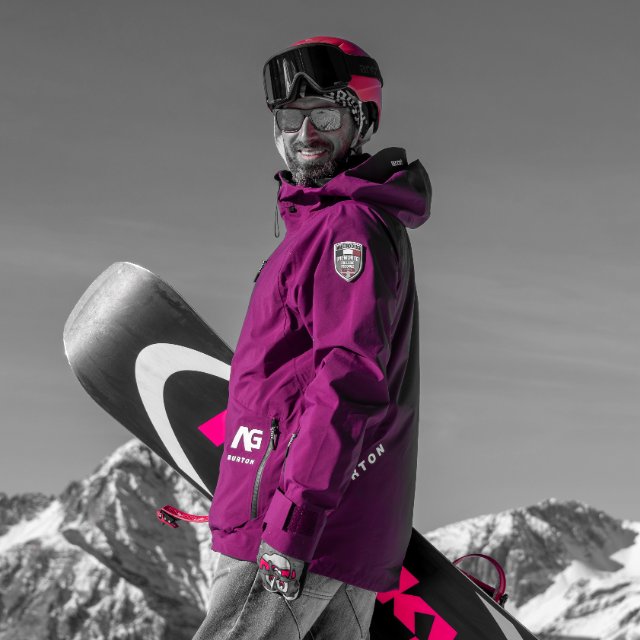
Andrea B.
My name is Andrea, and I am a qualified snowboard instructor officially registered with the Regional College of Ski Instructors of Piedmont. I teach snowboard in Sestriere and throughout the Vialattea ski area. I offer private snowboard lessons and group snowboard courses for riders of all ages and levels, from complete beginners to more experienced snowboarders looking to improve their technique, confidence and independence on the mountain. Thanks to my extensive local knowledge, I can also introduce riders to some of the best freeride and off-piste terrain around Sestriere, always with a strong focus on safety, snow conditions and responsible mountain riding. I also offer splitboard introduction courses and can help experienced riders plan and enjoy outings away from the groomed slopes, choosing routes according to conditions, ability and experience. With more than 10 years of experience as a snowboard instructor, I have previously worked with several ski schools in Sestriere. A few years ago, I decided to become a freelance snowboard instructor, allowing me to develop my own teaching approach and work directly with my clients. Today, I enjoy sharing my experience, local knowledge and passion for snowboarding with riders coming to Sestriere and the Vialattea ski area, helping them experience the mountains with greater awareness, confidence and freedom.
Where you can book right now
Resorts in Italy with at least one instructor taking bookings on Alpine Pal today.
| Resort | Region | Instructors | From |
|---|---|---|---|
| Sestriere | Via Lattea, Piedmont | 1 | €65 |
Ski resorts in Italy
57 resorts AbetoneTuscan Apennines
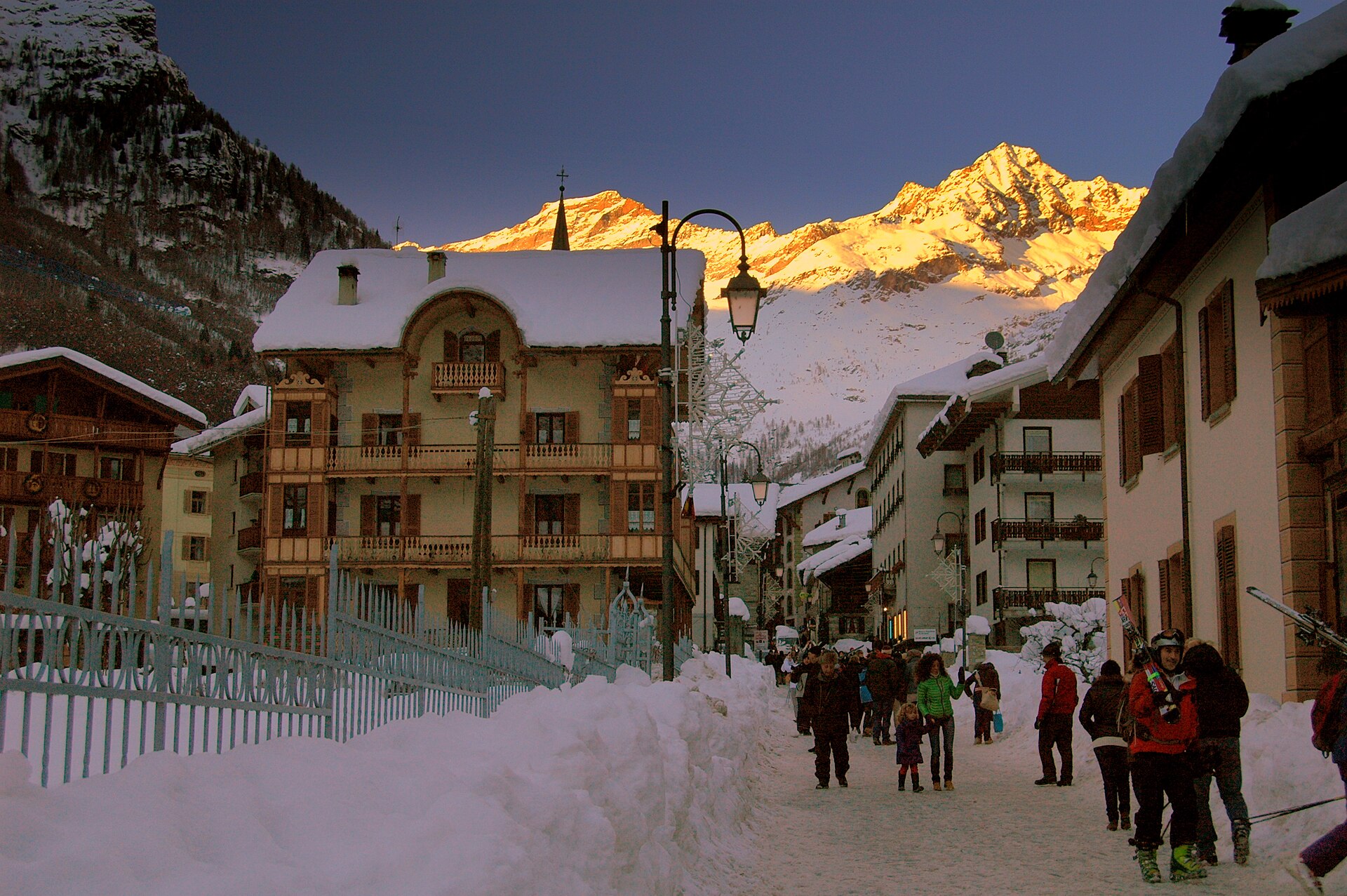 Alagna ValsesiaMonte Rosa, Piedmont
 Alpe di SiusiDolomites, South Tyrol
 Alta BadiaDolomites, South Tyrol
 Andalo - PaganellaTrentino
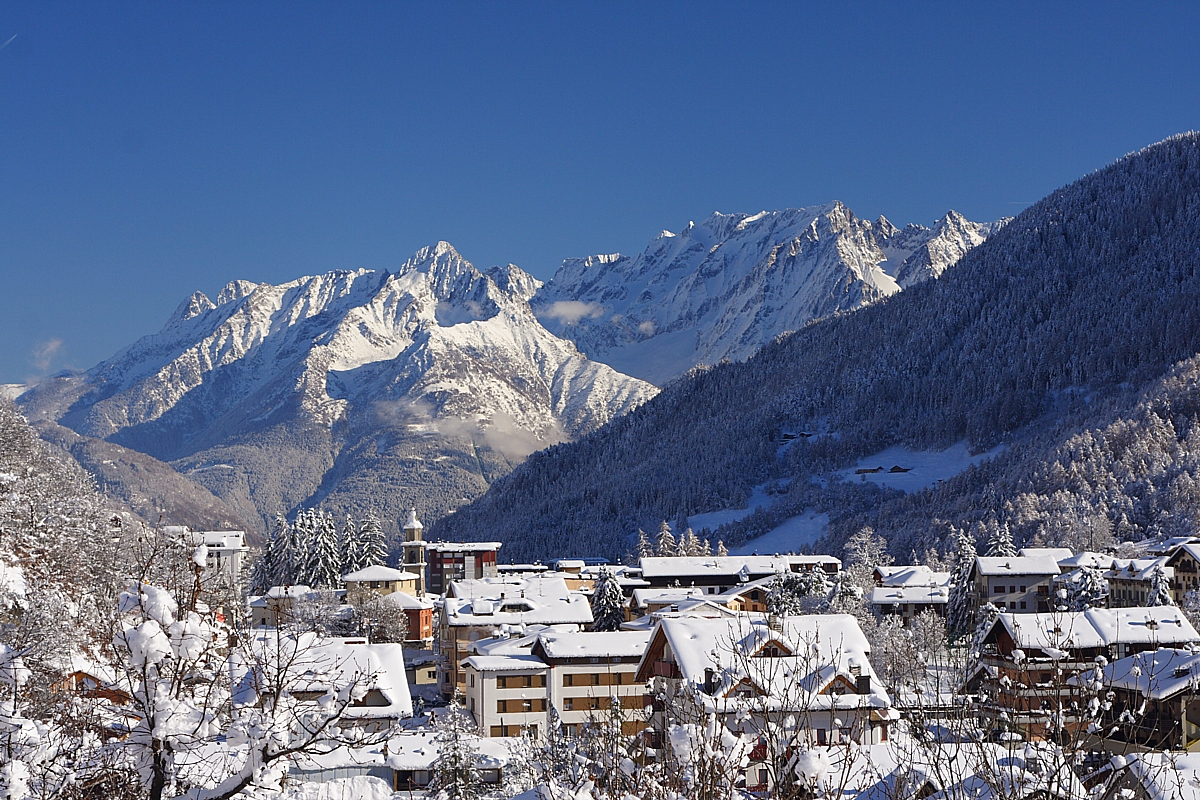 ApricaValtellina, Lombardy
 Arabba - MarmoladaDolomites, Veneto
 BardonecchiaSusa Valley, Piedmont
 BormioAlta Valtellina, Lombardy
 Breuil-CerviniaAosta Valley
 Campo FeliceAbruzzo Apennines
 Campo ImperatoreGran Sasso, Abruzzo
 ClaviereVia Lattea, Piedmont
 CogneGran Paradiso, Aosta Valley
 Corno alle ScaleEmilian Apennines
- Cortina d'AmpezzoDolomites, Veneto
 CourmayeurAosta Valley
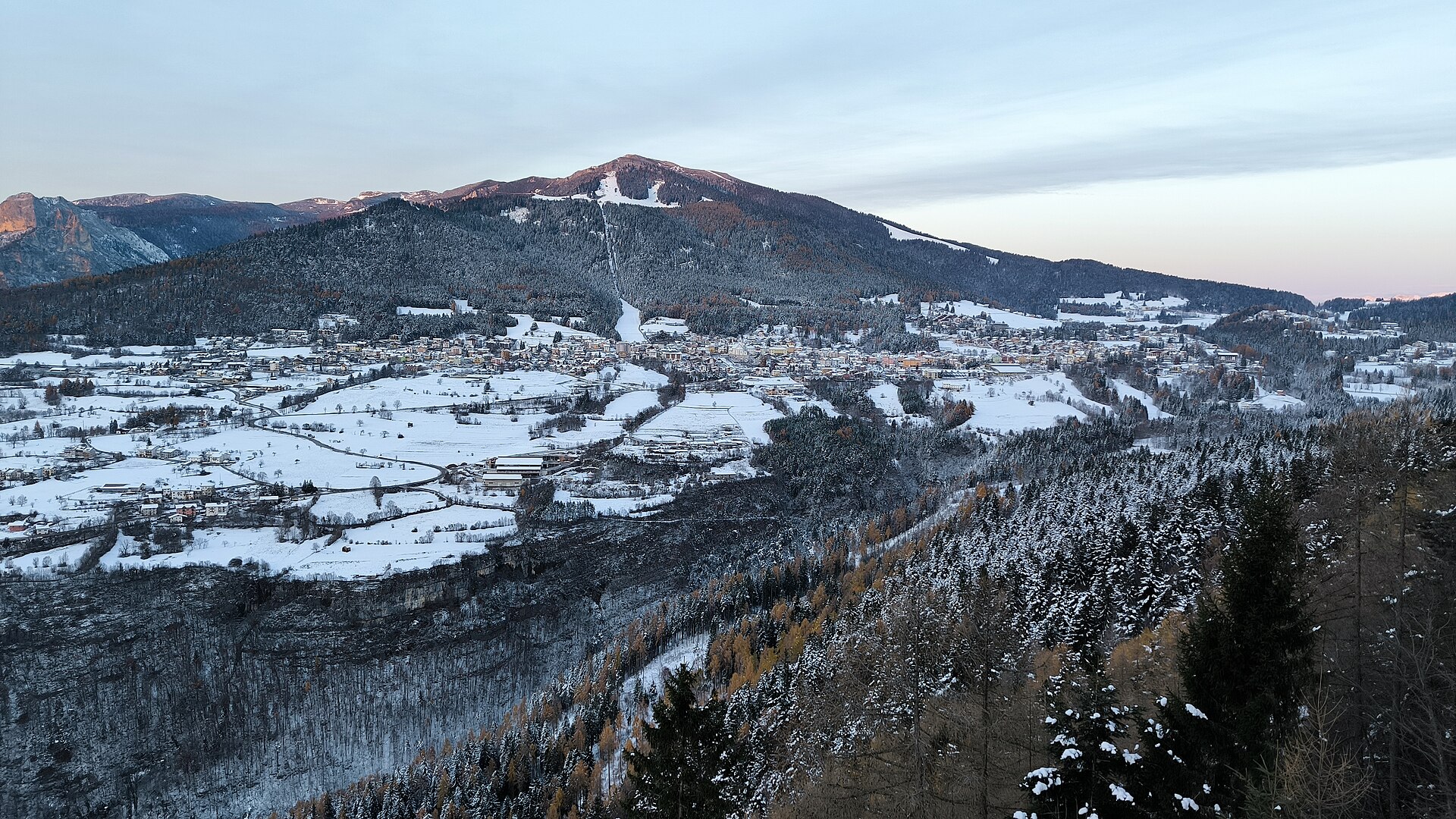 Folgaria-LavaroneAlpe Cimbra, Trentino
 Folgarida-MarillevaVal di Sole, Trentino
 Forni di SopraFriulian Dolomites
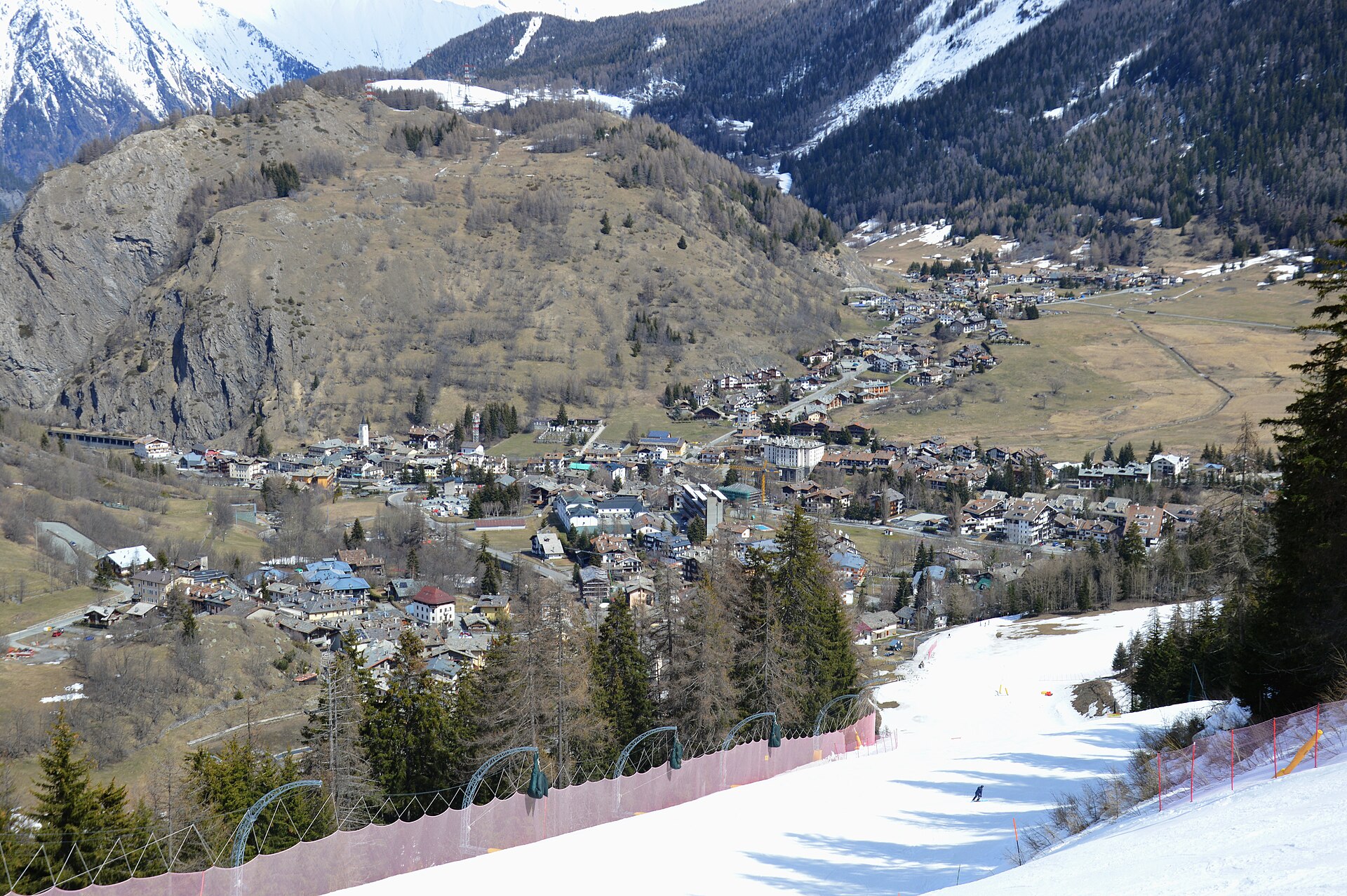 La ThuileAosta Valley
 Limone PiemonteMaritime Alps, Piedmont
 LivignoAlta Valtellina, Lombardy
 MacugnagaMonte Rosa, Piedmont
 MadesimoValle Spluga, Lombardy
 Madonna di CampiglioBrenta Dolomites, Trentino
 Merano 2000South Tyrol
 Monte BondoneTrentino
 Monte CimoneEmilian Apennines
 Monte TerminilloLazio Apennines
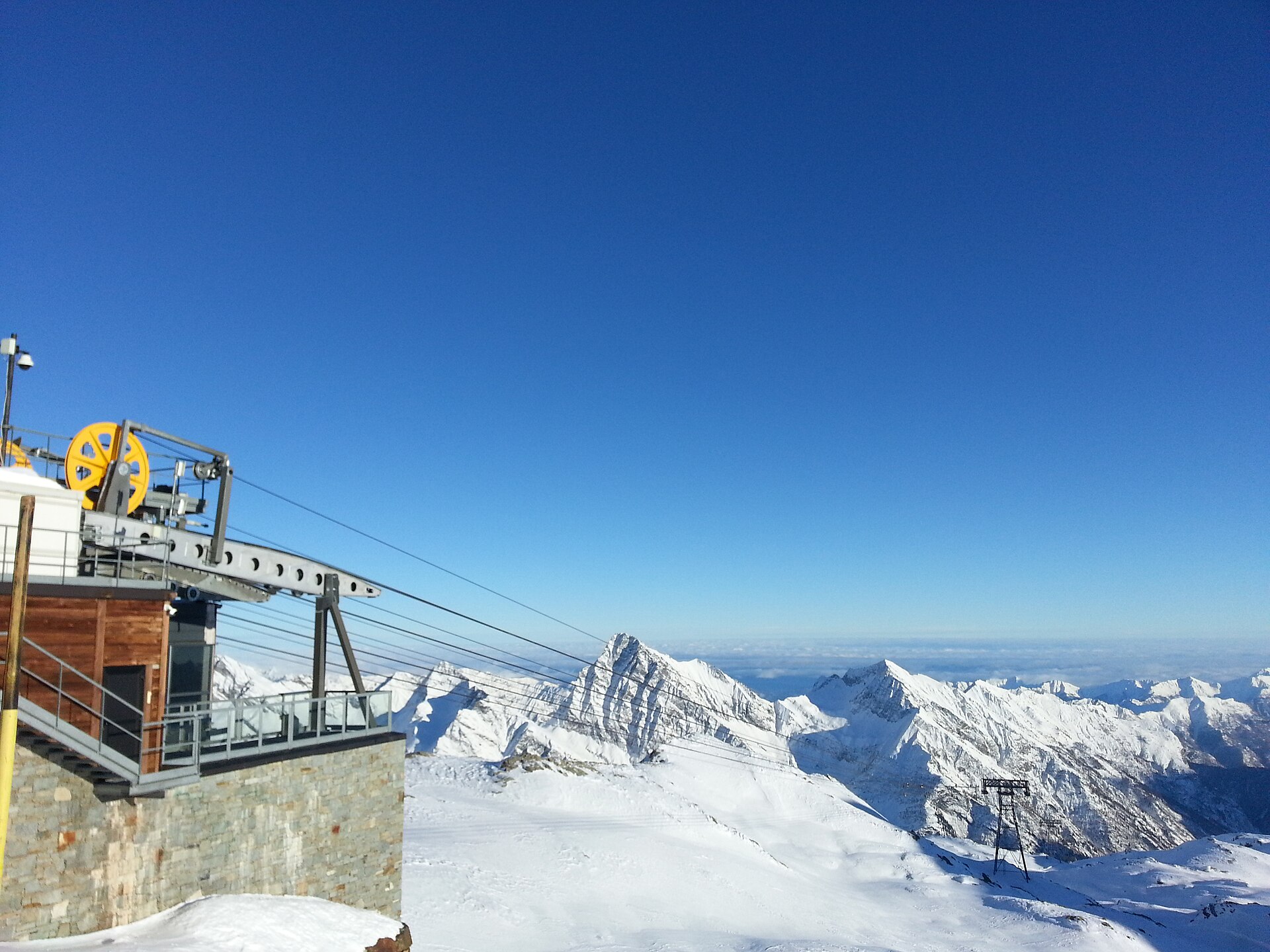 Monterosa SkiAosta Valley / Piedmont
 NevegàlBelluno Prealps, Veneto
 Obereggen - Val d'EgaDolomites, South Tyrol
 Ovindoli Monte MagnolaAbruzzo Apennines
 Pejo 3000Val di Sole, Trentino
 PiancavalloFriuli-Venezia Giulia
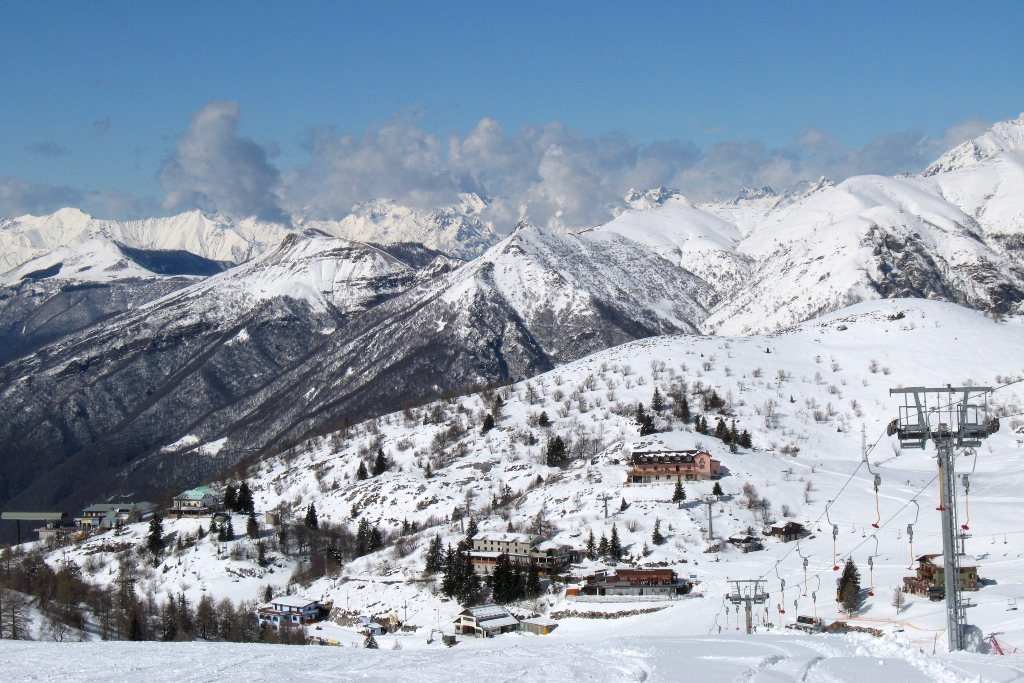 Piani di BobbioValsassina, Lombardy
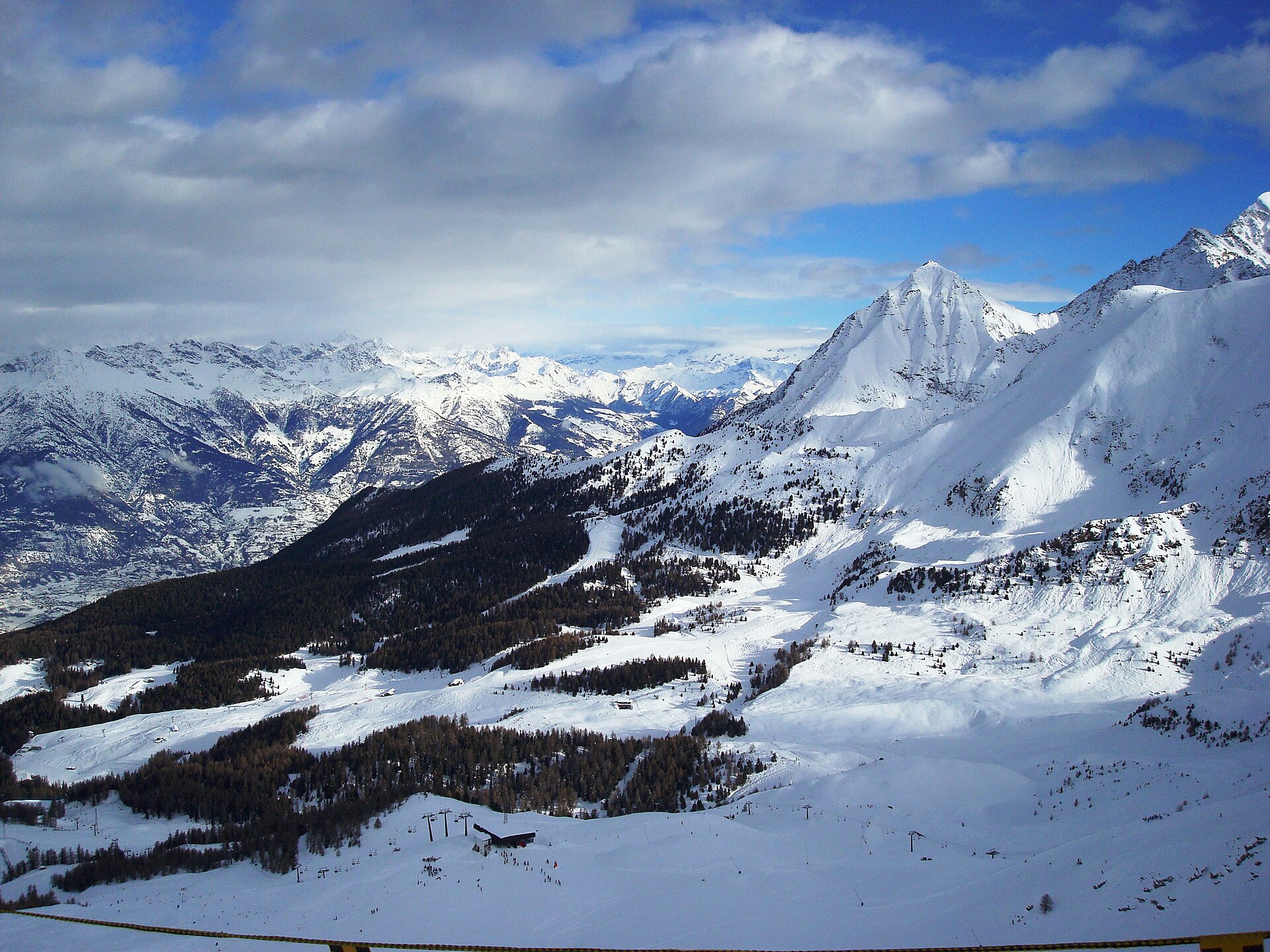 PilaAosta Valley
 PinzoloVal Rendena, Trentino
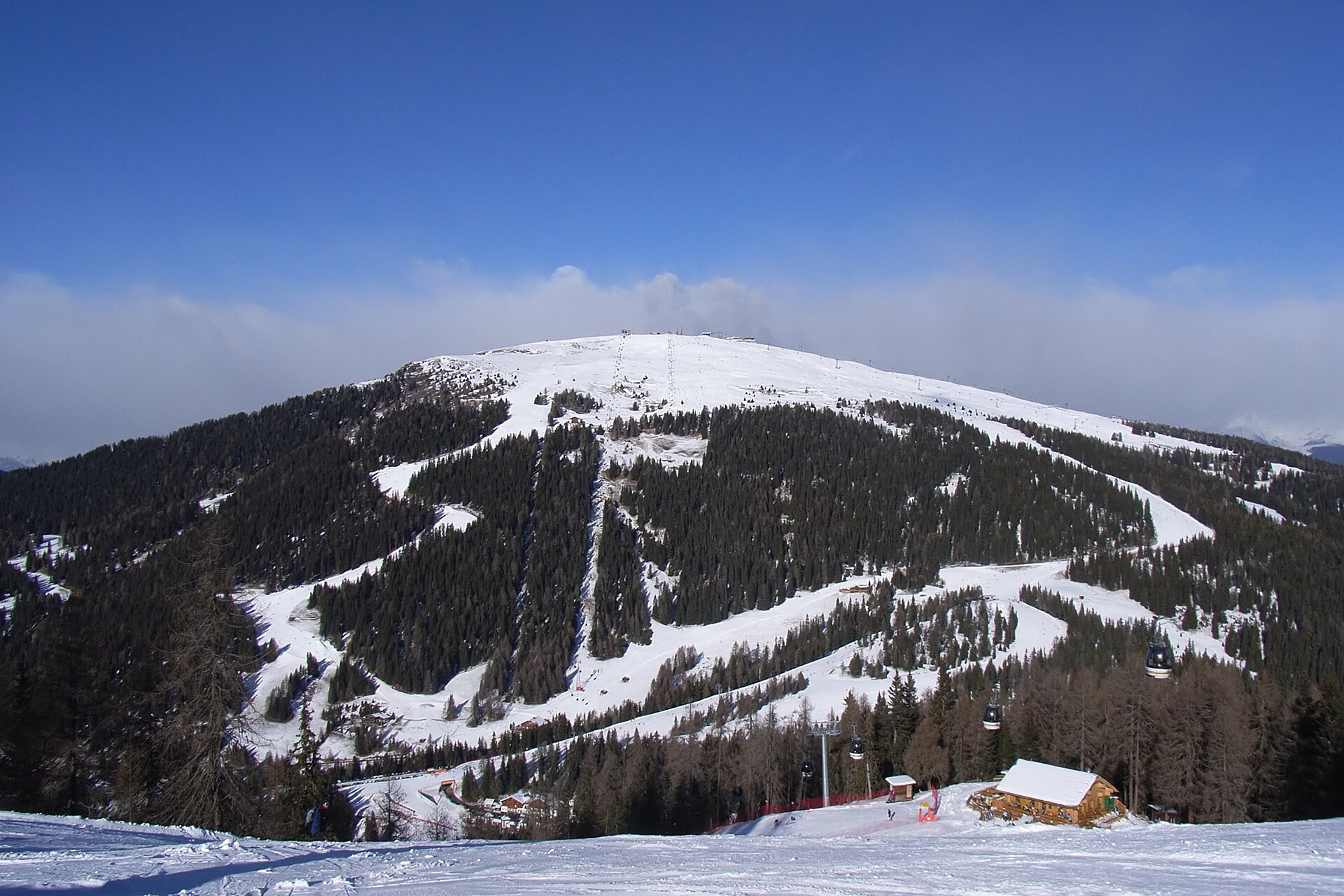 Plan de Corones / KronplatzDolomites, South Tyrol
 Pontedilegno-TonaleVal Camonica, Lombardy
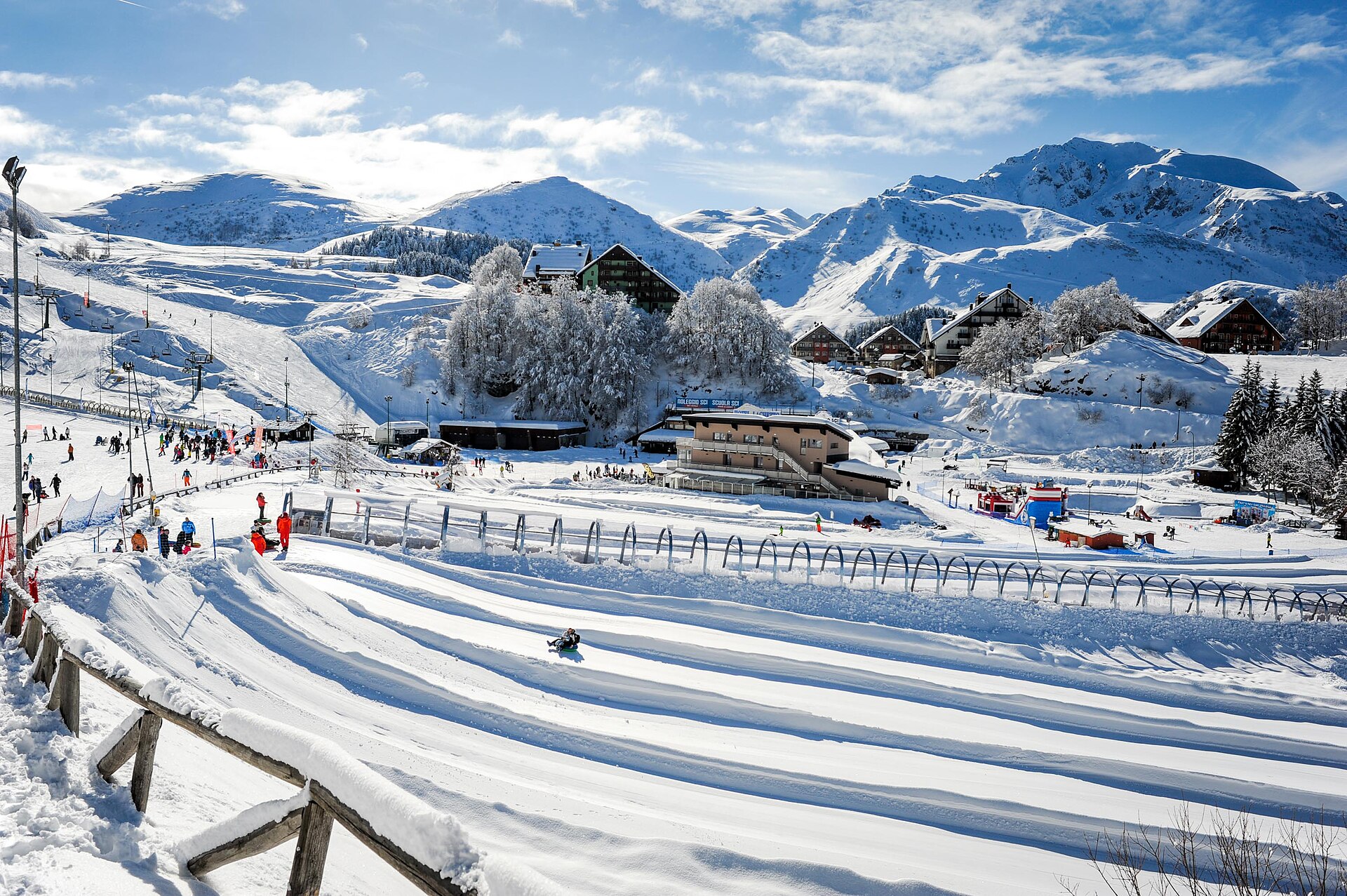 Prato NevosoMondolè Ski, Piedmont
 Racines-GiovoSouth Tyrol
 RoccarasoAbruzzo Apennines
 San Martino di CastrozzaDolomites, Trentino
 Santa Caterina ValfurvaAlta Valtellina, Lombardy
 Sauze d'OulxVia Lattea, Piedmont
 Sella NeveaJulian Alps, Friuli-Venezia Giulia
 SestriereVia Lattea, Piedmont
 Ski CivettaDolomites, Veneto
 Solda / SuldenOrtler Alps, South Tyrol
 TarvisioJulian Alps, Friuli-Venezia Giulia
 Tre Valli - San PellegrinoDolomites, Trentino
 Val di FassaDolomites, Trentino
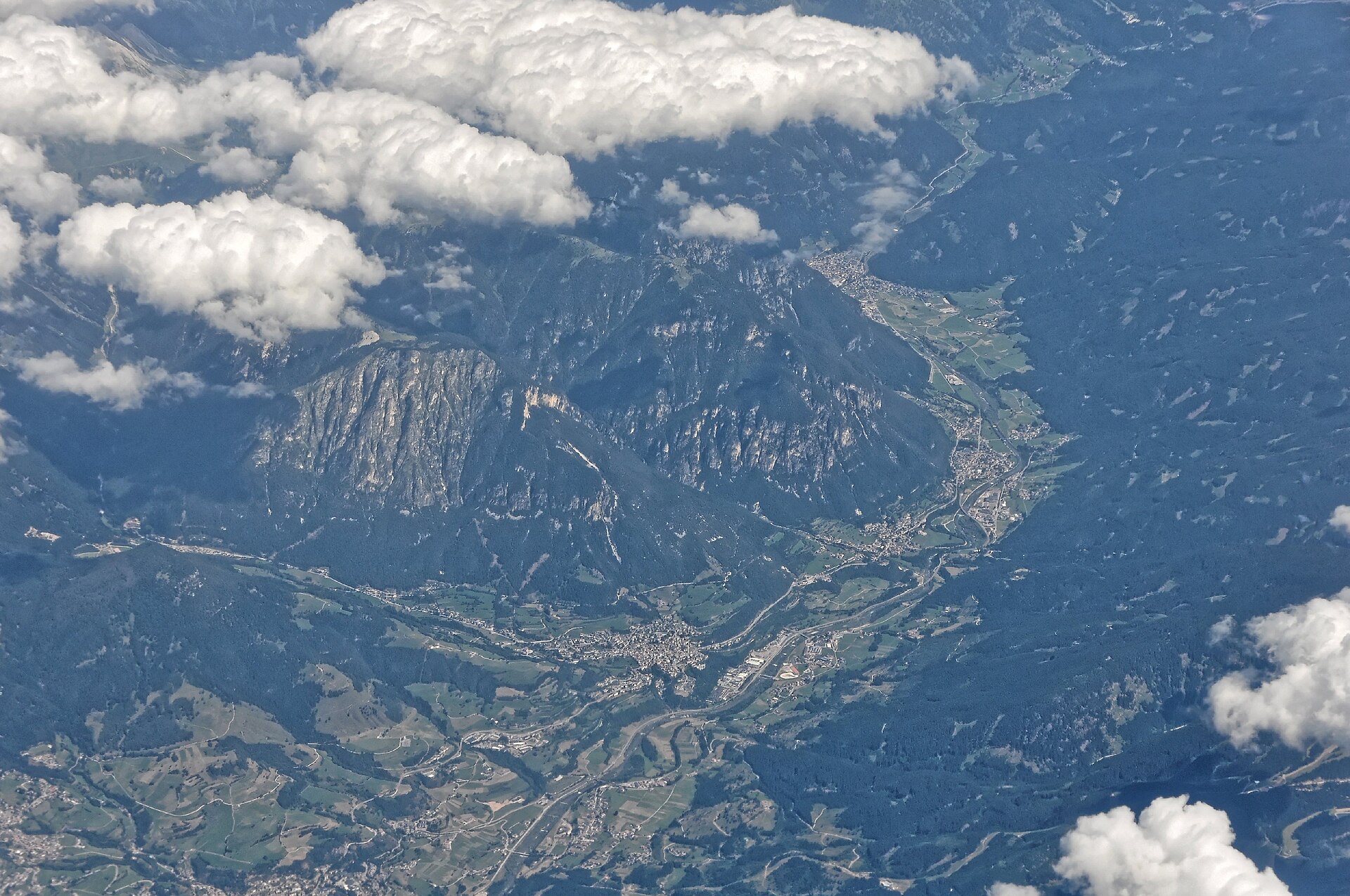 Val di FiemmeDolomites, Trentino
 Val GardenaDolomites, South Tyrol
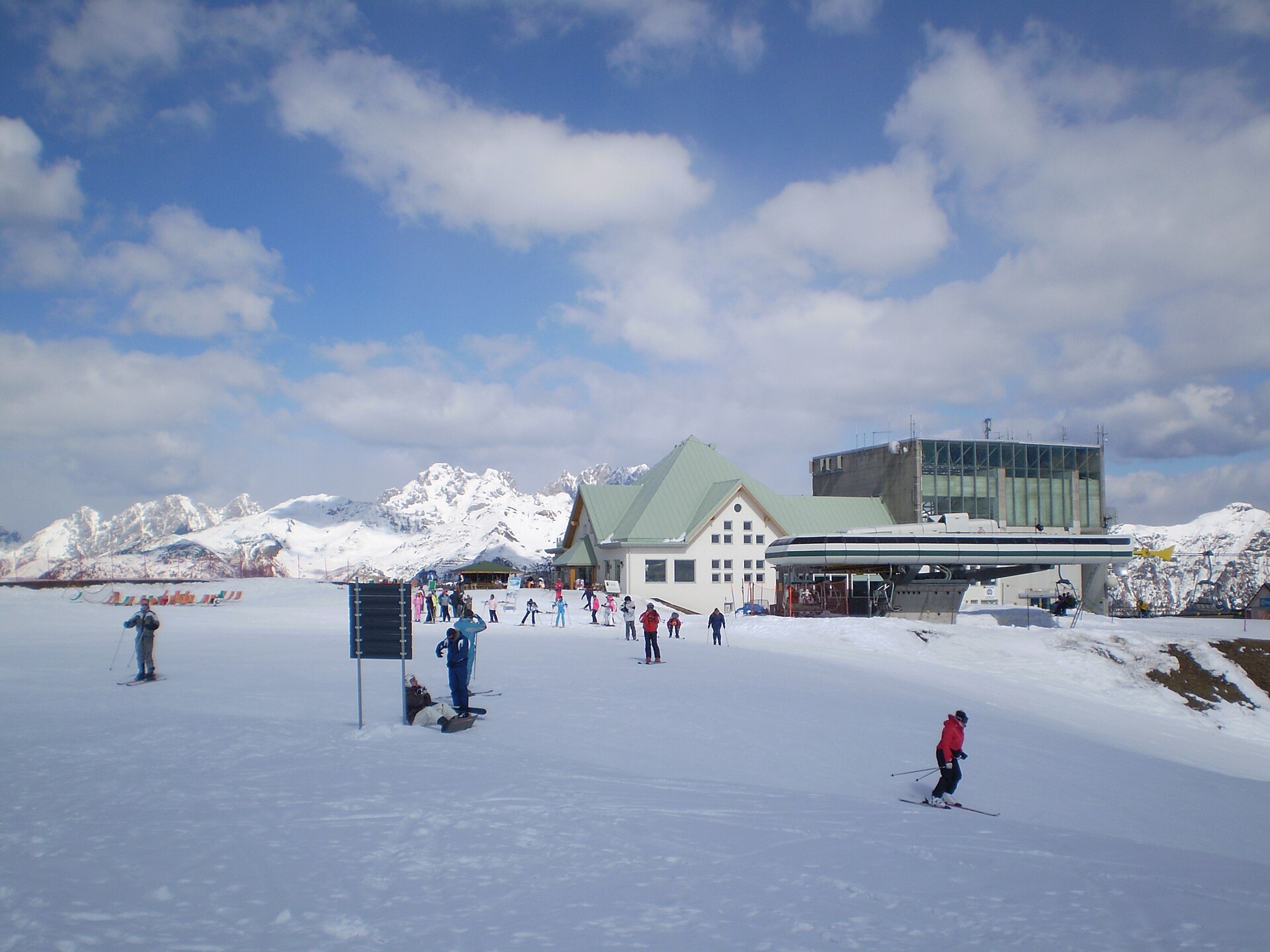 Zoncolan - RavasclettoCarnic Alps, Friuli-Venezia Giulia
Qualifications required in Italy
Teaching skiing or snowboarding for payment in Italy is a regulated profession: an instructor must hold the Maestro di sci, registered in the regional albo. Instructors listed as certified on Alpine Pal have either sent theirs to us for review or are vouched for by the ski school that invited them.
- Qualification
- Maestro di sci, registered in the regional albo
- Issued by
- Collegio regionale dei maestri di sci
This is a summary for guidance, not legal advice. The instructor remains responsible for holding a valid qualification.
Skiing in Italy: common questions
How much does a private ski lesson cost in Italy?
Private lessons in Italy generally run from €45 to €80 per hour. Cortina d'Ampezzo, Courmayeur and the smarter Dolomite resorts sit at the upper end; the Apennines and the smaller Piedmont and Lombardy areas are considerably cheaper. Each instructor on Alpine Pal publishes their own rate, and there is no separate booking fee.
What qualification does a ski instructor in Italy need?
A maestro di sci must hold the national qualification and be registered in the albo professionale of the regional collegio where they teach — South Tyrol, Trentino, Veneto, Aosta Valley and so on each maintain their own register. Teaching for payment without that registration is unlawful, so Alpine Pal does not offer the informal companion option in Italy.
Are the Dolomites good for beginners?
Unusually good. Alta Badia, the Val di Fiemme and San Martino di Castrozza have broad, meticulously groomed blue runs and beginner areas that are genuinely separate from the fast traffic. The one caveat is the Sellaronda circuit itself: it is marketed as accessible, but it is a long day with some awkward sections, and it is worth doing it first with an instructor rather than a piste map.
Can I ski from Italy into Switzerland or France?
Yes, in two places. Cervinia connects over the Theodul pass to Zermatt in Switzerland, and La Thuile links to La Rosière in France. Both crossings need a supplementary pass, decent conditions and enough skill to handle a long day on unfamiliar terrain — exactly the sort of outing worth doing with a local instructor the first time.
Do Italian instructors speak English or Spanish?
English is common, particularly in the Dolomites and the Aosta Valley, and German is close to universal in South Tyrol, where it is an official language alongside Italian. Spanish appears less often but is there. Filter the search by language — profiles list only the languages an instructor can genuinely run a lesson in.
When is the Settimana Bianca and should I avoid it?
It is the traditional Italian ski week, concentrated in February around the school holidays, and it fills the Dolomites and the Aosta Valley. You do not have to avoid it, but you do have to plan for it: book the instructor four to six weeks ahead and expect lift queues at peak times. If your dates are flexible, mid-January or late March gives you the same mountain with a fraction of the traffic.
Nearby countries
Ready to book in Italy?
Compare instructors, message them before you commit, and pay securely through the platform.
Find an instructor